

 By
By Introduction
Addiction doesn’t exist in a vacuum; it coexists with trauma, mental illness, social instability, and systemic inequities. In 2025, the need for advanced, multidimensional addiction treatment is clearer than ever. Advanced Practice Nurses (APNs) are rising to the challenge, bringing compassionate, evidence-based, and patient-centered care to a field that’s long needed transformation.
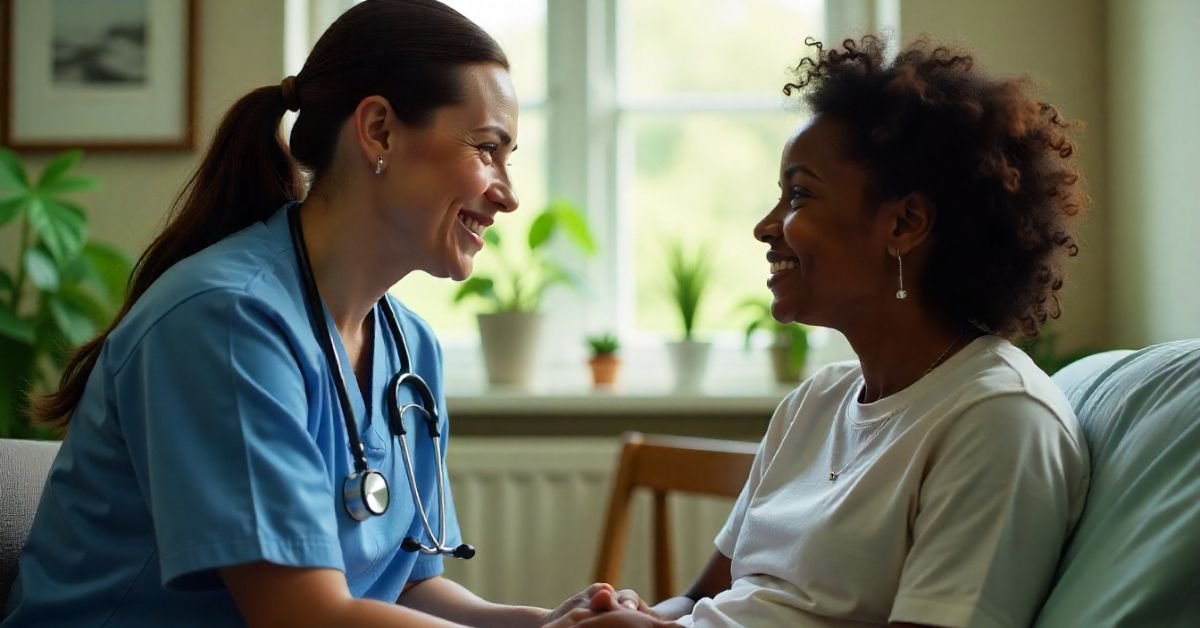
An Addiction Treatment APN is more than a medical provider. They are patient advocates, trauma-informed caregivers, health educators, and system navigators. In this article, we’ll explore how APNs are uniquely positioned to elevate addiction recovery experiences in the U.S., offering a balance of science and empathy, medications and mindfulness, and structure and autonomy.
Understanding the Role of APNs in Modern Addiction Care
Advanced Practice Nurses (APNs), including Nurse Practitioners (NPs), Clinical Nurse Specialists (CNSs), and Certified Nurse Midwives (CNMs), bring a rich set of skills to the addiction recovery landscape. They hold advanced degrees, are certified within their specialties, and are licensed for autonomous practice in many U.S. states.
Contributions of APNs in Addiction Care:
- Diagnosing substance use disorders (SUD)
- Prescribing and managing Medication-Assisted Treatment (MAT)
- Providing psychotherapy (e.g., CBT, motivational interviewing)
- Facilitating long-term recovery and relapse prevention counseling
- Managing co-occurring conditions
Key Insight
Unlike general physicians, APNs consistently implement holistic and trauma-informed models of care, helping patients feel safe, heard, and engaged in their recovery journey.
Why Traditional Addiction Treatment Often Falls Short
Many outpatient and residential addiction programs still follow a rigid, one-size-fits-all model. Recovery pathways are often dictated by insurance coverage or legacy medical models, rather than being tailored to the individual.
Common Shortcomings
| Traditional Programs | APN-led Approaches |
| Focused mostly on abstinence | Includes harm reduction models |
| Fixed 30/60/90-day stay durations | Flexible, based on patient need |
| Often under-resourced mental health care | Integrated mental health support |
| Insufficient follow-up or aftercare | Long-term engagement and monitoring |
A 2025 survey by SAMHSA found that 61% of addiction treatment clients dropped out early due to lack of individualized care.
The APN Advantage: A Holistic, Whole-Person POV
Where addiction treatment APN medicine meets compassion, you’ll likely find a nurse leading the way. APNs are trained in biopsychosocial models, meaning they consider every aspect of a person’s life biology, psychology, and social context when developing treatment plans.
Holistic Focus Areas
- Physical health (addressing liver, heart, and cognition concerns)
- Mental well-being (therapy, stress management)
- Family dynamics and trauma healing
- Social determinants (housing, income, access to care)
Rather than being siloed, APN care is collaborative, often incorporating dietitians, social workers, and peer recovery coaches.
Integrating Behavioral Health with Primary Care
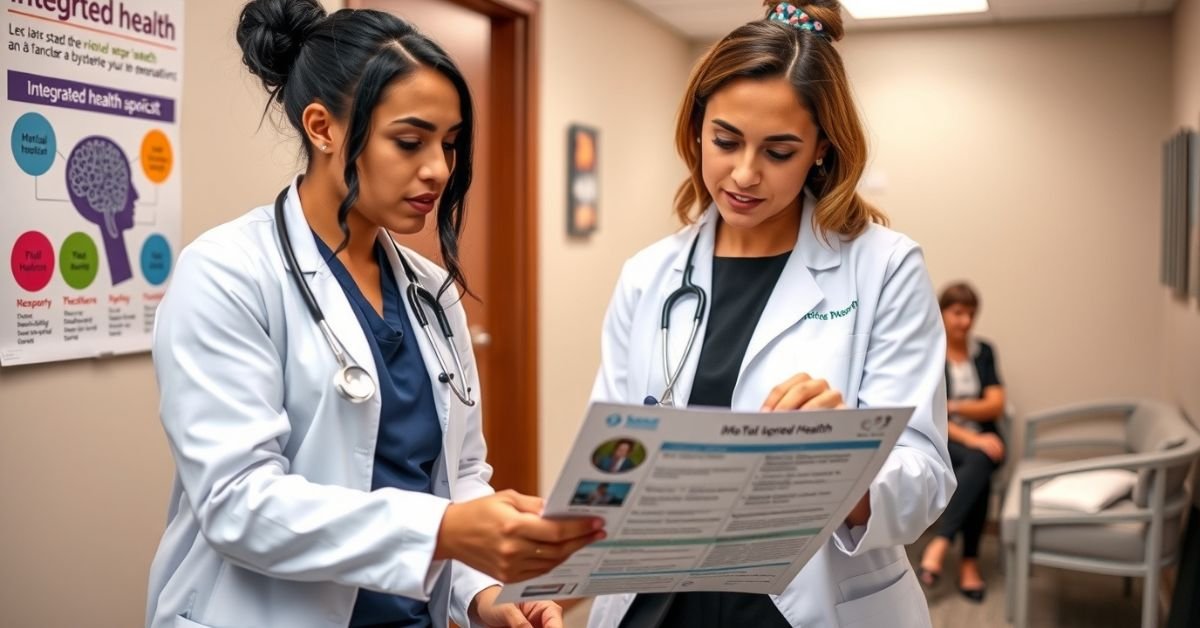
In 2025, siloed healthcare has proven ineffective in combating addiction crises. The holistic trend in U.S. healthcare now emphasizes integrated behavioral health, a model championed by APNs.
Benefits of Behavioral Health Integration
- Consistency: APNs can address mental health during routine checkups.
- Reduced stigma: Behavioral issues are considered part of whole health.
- Streamlined treatments: One provider handling both physical and psychological health results in better adherence.
“I no longer have to tell my story to three different providers. My nurse practitioner handles everything with empathy and efficiency.” Recovery patient testimonial, 2025
Medication-Assisted Treatment (MAT): Safe When Led by APNs
Medication-Assisted Treatment (MAT) remains one of the most effective approaches to opioid use disorder yet it’s underutilized due to provider shortages and restrictive policies.
APNs Enhance MAT Access
| Common MAT Drugs | APN Capabilities |
| Buprenorphine (Suboxone) | Prescribe, initiate, monitor |
| Methadone | Coordinate with clinics |
| Naltrexone (Vivitrol) | Administer and manage adherence |
With expanded federal legislation in 2024–2025, more nurses have gained the authority to prescribe MAT in rural and underserved areas.
Patient-Centered Care: Individualized Treatment Planning
No two journeys through addiction are the same. APNs are trained in formulating person-first care plans that evolve with the patient’s needs, preferences, and progress.
Core Features of APN Treatment Planning
- Shared decision-making: Empowering patients to set goals
- Strengths-based approaches: Building on what works
- Flexible care pathways: Adjusting dosing, therapies, and methods
By respecting autonomy, patient-centered nursing creates sustainable engagement in recovery.
Cultural Competence in Addiction Nursing
Disparities in addiction treatment persist across racial, ethnic, and socio-economic lines. In 2025, APNs are bridging these gaps with culturally competent care strategies.
How APNs Advance Equity:
- Using inclusive language and trauma-informed communication
- Offering interpretation services where needed
- Training in culturally specific risk factors and resilience markers
- Advocating for policy changes in marginalized communities
Addressing Mental Health Comorbidities
Almost 50% of individuals with a substance use disorder also live with a co-occurring mental health condition, such as depression, anxiety, or PTSD.
APNs’ Dual-Diagnosis Expertise
- Licensed to diagnose and treat mental illness
- Integrate psychiatric medications with MAT, avoiding contraindications.
- Provide or refer for Cognitive Behavioral Therapy (CBT), EMDR, and other evidence-based methods
This dual treatment model helps patients stop cycling in and out of detox without emotional healing.
Measuring Outcomes: Metrics That Matter
One key differentiator in APN-led addiction care: measurable, patient-relative outcomes. Rather than judge success by abstinence alone, nurses track progress by multi-dimensional recovery metrics.
Meaningful Outcome Metrics
| Traditional Metrics | APN-Informed Metrics |
| Negative drug screen | Improved quality of life |
| Days sober | Return to school or work |
| Program completion | Reduction in emergency room visits |
APNs use tools like the Recovery Capital Index (RCI) to assess patient strengths and barriers over time.
Challenges & Policy Changes in 2025
While APNs are expanding access and improving outcomes, several systemic challenges persist.
2025 Legal & Operational Shifts
- Expanded Prescriptive Authority: Now legal in 48 states for APNs to prescribe MAT independently (Source: AANP Policy Report, 2025).
- Reimbursement Reforms: CMS now recognizes APNs as primary addiction providers under Medicare Part B.
- Rural Health Grant Programs: Funding increases for APN-led clinics in rural areas hit hardest by the opioid crisis.
Still needed: better alignment of insurance plans with holistic care goals and reduced provider burnout.
FAQs
Can a nurse practitioner diagnose addiction?
Yes, certified nurse practitioners can diagnose substance use disorders.
Do Addiction Treatment APN prescribe medications like Suboxone?
Yes, in most states, APNs can independently prescribe MAT options like Suboxone.
How are APN programs different from standard rehab?
APN programs offer holistic, integrated care with personalized treatment plans.
What degree is required to become an addiction treatment APN?
A master’s or doctorate in nursing (MSN or DNP) with relevant certifications is required to become an Addiction Treatment APN.
Are there APN-led addiction clinics in rural areas?
Yes, especially after new federal grants expanded access in 2025.
Conclusion
The addiction epidemic in the U.S. demands bold, innovative solutions and APNs are answering the call. With their unique combination of clinical expertise, compassion, and holistic thinking, Addiction Treatment APNs are reshaping recovery pathways for millions of Americans.
Now more than ever, patients need a healthcare provider who sees beyond diagnoses to the human story underneath. Advanced Practice Nurses step into that role with unmatched dedication.