

 By
By Introduction
Addiction remains one of the most pressing health challenges across the United States. With over 40 million Americans affected by substance use disorders (SAMHSA, 2025), traditional approaches relying solely on medication and counseling often fall short. Fortunately, an innovative, non-invasive solution is gaining traction: TMS Treatment APN, a promising alternative to medication that is showing real results in addiction recovery.
Transcranial Magnetic Stimulation (TMS) is an FDA-cleared, non-drug therapy that uses magnetic pulses to target specific brain regions tied to addiction and mood regulation. Administered by expert providers, particularly Advanced Practice Nurses (APNs), this treatment empowers patients to regain control without altering brain chemistry through medication.
In this guide, we’ll explore how TMS treatment, guided by APNs, is changing the landscape of recovery in 2025.
How Does TMS Therapy Operate and What Is It?
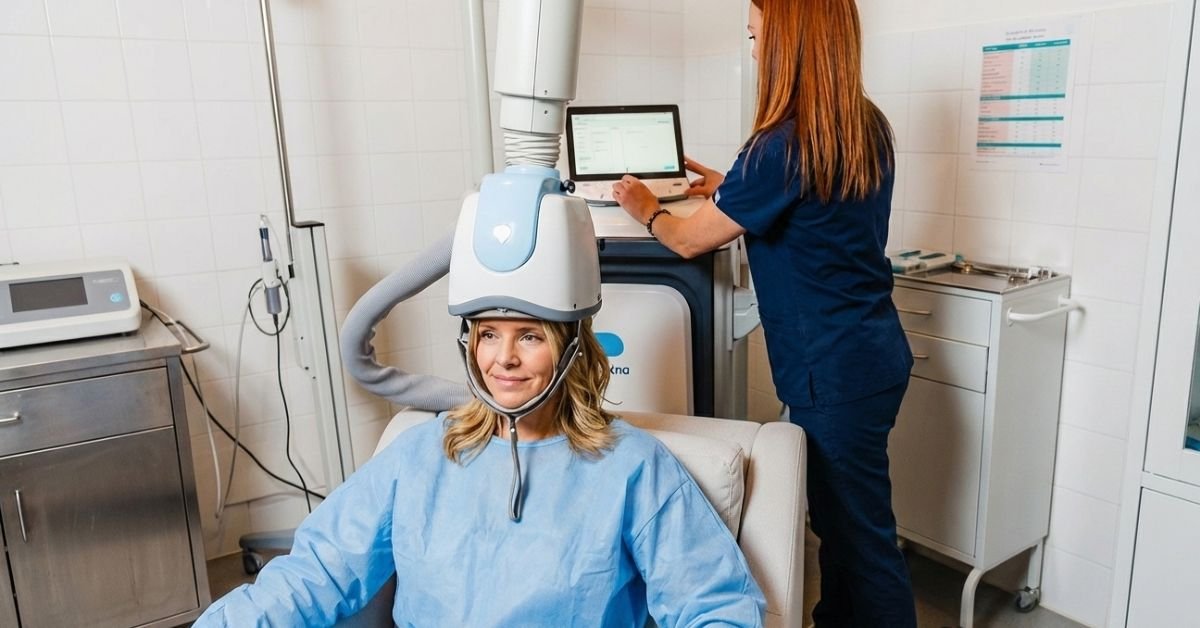
Transcranial Magnetic Stimulation (TMS) is a non-invasive treatment that uses focused magnetic fields to stimulate nerve cells in the brain. Originally approved for depression, researchers and clinicians are now harnessing its power for addiction recovery, targeting neural pathways associated with cravings and compulsions.
How It Works:
- Near the patient’s scalp, a magnetic coil is positioned.
- Pulses are delivered to the prefrontal cortex, influencing dopamine regulation and impulse control.
- Sessions are painless, usually lasting 20–30 minutes over a 4–6 week period.
Unlike medications that circulate system-wide, TMS Treatment APN acts locally and precisely.
Benefits:
- No systemic side effects
- Non-addictive
- Long-lasting results
- No need for anesthesia or downtime
Clinical trials suggest improvements in both mood and reduced cravings with as little as 20 sessions.
TMS Treatment APN: A New Model in Addiction Care
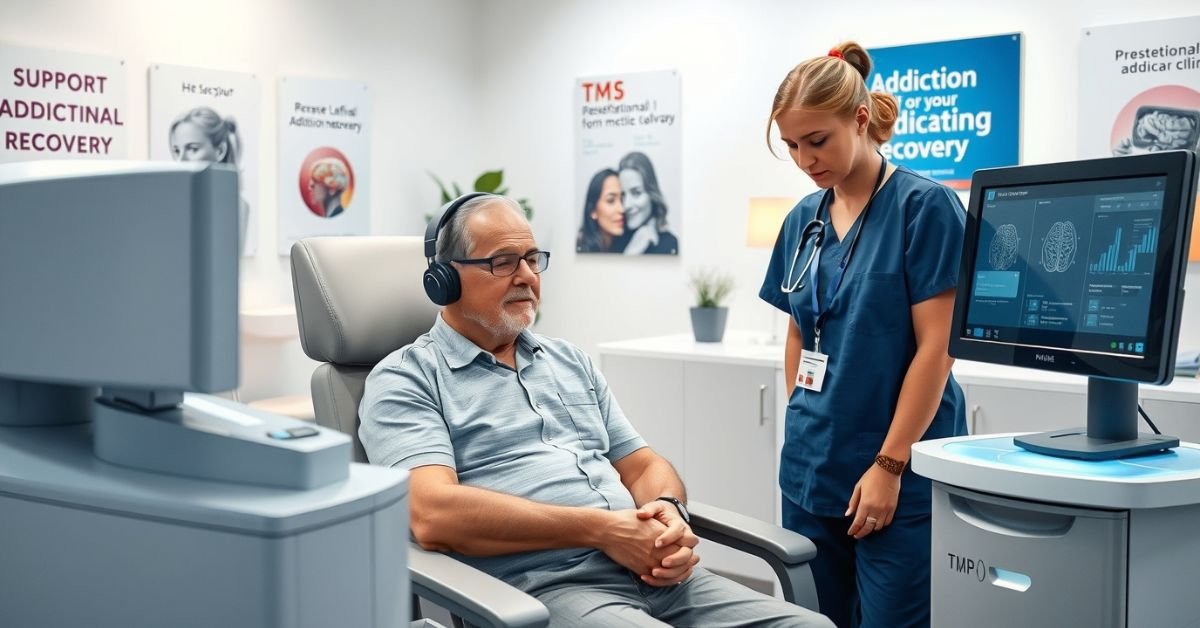
The integration of Advanced Practice Nurses (APNs) into TMS Treatment APN therapy paves the way for patient-centered, holistic care. These professionals possess a unique position that allows them to seamlessly integrate medical science with personalized attention.
Why APNs Lead Well in TMS Settings
- They are trained in mental health, addiction sciences, and physical assessment.
- They take a collaborative, long-term approach to treatment planning.
- They offer a continuity of care often missing from traditional clinics.
By delivering TMS, APNs are removing stigma, enhancing trust, and optimizing health outcomes.
Why Traditional Addiction Approaches Sometimes Fail
Conventional methods medication-assisted treatment (MAT), cognitive-behavioral therapy, and support programs have saved lives. However, success rates remain mixed, and relapse is common.
Common Limitations
- Dependency on opioid-based meds like methadone or Suboxone
- Side effects including fatigue, agitation, or weight gain
- Variability in patient response
- Lack of access or follow-through
TMS Treatment APN directly addresses the neurobiological roots of addiction, offering a drug-free path forward that complements therapy without substituting one substance for another.
How does TMS help manage cravings and dependency?
Cravings stem from functional changes in the reward circuitry of the brain often in the prefrontal cortex, insula, and nucleus accumbens. TMS helps “reset” these networks, restoring balance.
Mechanisms of Action:
- Increases self-regulation and impairs cue-reactivity
- Elevates dopamine levels naturally
- Reduces amygdala hyperactivity related to stress and relapse
A 2025 multicenter review noted that TMS led to a 38% reduction in relapse rates for alcohol and cocaine addiction after 12 weeks of treatment.
Neural Impacts of TMS in Addiction Recovery
| Brain Region | Function | TMS Effect |
| Prefrontal Cortex | Decision-making & self-control | Re-activated to improve regulation |
| Insula | Craving/urge center | Reduced craving sensitivity |
| Amygdala | Emotion/stress response | Lowered stress-induced triggers |
Scientific Support: TMS Success Rates in Addiction Recovery
Research in 2025 has advanced substantially, with new trials confirming the viability of TMS as a primary or adjunct method in treating substance use disorders.
Key Studies and Data
- NIH-funded study (2025): 350 participants, opioid use disorder
The TMS group had 42% greater remission at 6-month follow-up. - Journal of Addiction Neuroscience (2025):
TMS combined with CBT led to a 59% sustained recovery rate, versus 38% with CBT alone.
TMS is now considered “promising with moderate to strong efficacy” for alcohol, nicotine, and stimulant addiction, especially when integrated into comprehensive care plans.
TMS vs. Medications: A Side-by-Side Comparison
Let’s break down the pros and limitations of TMS therapy versus conventional medication approaches in addiction treatment.
TMS vs Medication-Assisted Treatment (MAT)
| Feature | TMS Therapy | Medication-Assisted Treatment |
| Method | Magnetic brain stimulation | Use of drugs (e.g., methadone) |
| Side Effects | Minimal, localized | System-wide, potential fatigue or dependence |
| Risk of Addiction | None | Moderate (in case of misuse) |
| Treatment Duration | 4–6 weeks | Often lifelong |
| FDA Approved For | Depression, OCD, Addiction (off-label) | Addiction (opioids, alcohol) |
| Customization | Highly tailored (via APNs) | Often dosage-focused |
TMS may complement medications or, in some cases, replace them, depending on the patient’s condition and readiness for drug-free recovery.
Who Typically Benefits Most from TMS Therapy?
TMS isn’t for everyone. But specific patient profiles respond especially well.
Ideal Candidates
- Individuals are unresponsive to medication.
- Patients seeking non-pharmaceutical options
- Those with dual diagnoses (e.g., depression and addiction)
- Patients who have relapsed multiple times despite therapy
TMS stands out for those seeking long-term cognitive resilience, improved impulse control, and a non-addictive solution to treat root causes.
The Role of APNs in Delivering TMS Treatment
APNs (nurse practitioners with specialization in psychiatry or addiction medicine) are core drivers of TMS care teams, particularly in private practices, behavioral health clinics, and recovery centers.
Why Patients Prefer APN-Led Models
- More time per session
- Reduced waitlists and increased access
- Integrated care coordination with mental health providers, nutritionists, and therapists
In 2025, over 25 states grant full autonomy to APNs making it easier for them to lead TMS initiatives and reach underserved regions.
How to Access TMS Therapy in the USA in 2025
Finding a TMS provider in 2025 is now easier than ever:
Steps to Start
- Search for accredited TMS centers or clinics with APN-led services.
- Ask for a neuro-assessment to determine eligibility.
- Discuss your history of substance use and coexisting conditions.
- Confirm insurance coverage or financing options.
Usefull resources:
- Clinical TMS Society Provider Search
- SAMHSA National Helpline
Safety, Accessibility, and Insurance Coverage
TMS is FDA-cleared and continually monitored for safety. Most patients resume daily activities immediately after their session.
2025 Insurance Highlights
- Medicare and most private plans now cover TMS for treatment-resistant depression and are expanding to cover TMS for addiction on a case-by-case basis.
- Programs like Veterans Affairs (VA) offer specialized access for substance use disorders.
Always verify coverage with your insurance or provider.
Patient Experience and Real Success Stories
Patient stories reflect the transformational potential of TMS. Many describe improved clarity, reduced cravings, and a renewed sense of hope after therapy.
“I struggled with alcohol for a decade. Before TMS, nothing worked now, I’ve been sober 9 months. No cravings. Just focus and freedom.” Daniel K., Boston, MA
Most patients report:
- Subtle improvements by week two
- Strong reduction in cravings by week four
- Increased interest in rejoining work, school, or family life
FAQs
Is TMS Treatment APN safe for long-term use?
Yes, there are no long-term side effects reported for repeated or extended TMS use.
Can TMS replace addiction medications?
It may for some, but it’s most effective as part of a holistic plan.
Is TMS Treatment APN covered by insurance?
Coverage is expanding; check with your insurer for addiction-related applications.
How quickly will I experience results with TMS?
Most report significant changes in 2–4 weeks.
Who administers TMS treatment?
Specialized clinicians, often Advanced Practice Nurses (APNs), administer TMS treatment under medical supervision.
Conclusion
TMS Treatment APN offers a new, evidence-based hope for addiction recovery without pharmaceuticals and their side effects. Harnessing cutting-edge neuroscience and whole-patient care through APNs, TMS empowers patients to regain control of their lives with clarity, compassion, and confidence.