

 By
By Introduction
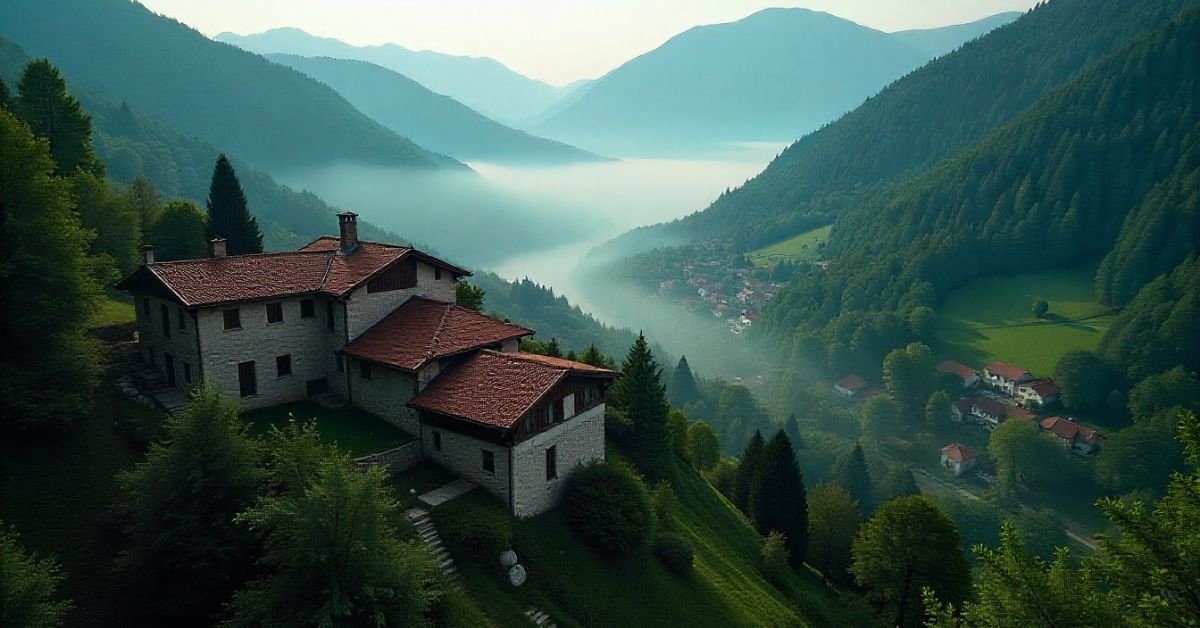
Tucked away from bustling tourist hubs in Europe lies Mebalovo, a timeless village steeped in centuries of folklore, history, and regional culture. With modern tourism often leaning toward Instagrammable cities and bucket-list capitals, many miss out on the serene beauty and historical depth smaller destinations offer.
Mebalovo, with its untouched landscapes and storied past, has slowly begun to surface on curious travelers’ radars in 2025—and rightfully so. Whether you’re a traveler nostalgic for medieval relics, a history buff seeking stories untold, or an adventurer keen on discovering off-the-map sanctuaries, offers a compelling journey worth taking.
This article explores why Mebalovo is emerging as one of 2025’s must-visit historical destinations, what makes it different, and how visitors can experience its rich heritage, landscapes, and living traditions respectfully.
The Historical Roots of Mebalovo
Nestled in the heart of Eastern Europe, Mebalovo boasts a multilayered history shaped by empires, tribes, and trade routes. Despite its modest size today, once played a subtle yet pivotal role in regional geopolitics.
Key Historical Periods
- Medieval Era (1300s–1500s): Mebalovo was a stopover along lesser-known merchant trails.
- Ottoman Occupation (1500s–1800s): Cultural blending during this period left significant architectural and linguistic imprints.
- Eastern Bloc Influence (1950s–1980s): The Cold War era preserved old-world feel, shielding it from modern construction.
Expert Insight
“Mebalovo provides a rare look at how smaller settlements shaped transregional exchanges during the medieval period.”
— Prof. Elise Jovanovic, Balkan Studies Institute (2025)
Architectural Legacy
Architecture serves as a living narrative in Mebalovo, with buildings silently narrating the past through design.
Notable Styles
- Byzantine influences in the old monastery complex
- Rural Gothic detailing on village homes
- Ottoman arches in restored bathhouses
Photo-worthy Highlights
- Petrović Manor (1470s): A well-preserved example of feudal nobility living quarters
- St. Ilija Church: Known for its 16th-century frescoes
Visual: Architecture Styles
| Period | Style | Key Landmark |
| 1300s–1500s | Medieval Gothic | Petrović Manor |
| 1600s–1800s | Ottoman Turkish | Public Bathhouse |
| 1800s–1900s | Balkan Vernacular | Shepherd Stone Cottages |
Traditional Life in Today
Unlike tourist-centric towns that emulate the old ways, Mebalovo has retained authentic rural traditions.
Daily Life Samples
- Farming & Herding Practices: Locals still use hand plows in fertile valleys.
- Traditional Mills: A few water mills continue to grind grain naturally.
- Communal Dining: Village feasts during harvest seasons reflect ancient customs.
Cultural Note: Many locals celebrate Slava, an Orthodox Christian tradition considered intangible cultural heritage by UNESCO.
Must-Visit Historical Sites
For travelers who value authenticity over artificiality, these sites in Mebalovo offer genuine encounters with history.
Top 5 Historical Attractions
- Hilltop Fortress Ruins – Offers panoramic views and ancient stonework
- Ethnographic Museum of Mebalovo – Showcases ancient tools, manuscripts
- St. Ilija Monastery – Spiritual epicenter with preserved religious texts
- Crkveno Cemetery – Tombstones dating back to early Christian settlers
- Old Village Square—Where all major historical events were once declared
Travel Tip: Visit early mornings or late evenings for the best light and solitude.
Legends and Folklore of the Region
Bullied by time but not forgotten, folklore survives surprisingly intact, passed through storytelling and local theater.
Key Stories
- The Cursed Bell of St. Ilija: Said to only ring during impending danger
- Lady of the Misty Grove: A spectral figure tied to lost love during wartime
- Wolves of Mebalovo: Tradition holds that wolves protect the village boundary.
Local Storytelling Nights
- Held every last Friday of the month
- Accompanied by homemade wine and music
- Hosted at the Village Cultural Center
The Natural Environment and Its Historical Role
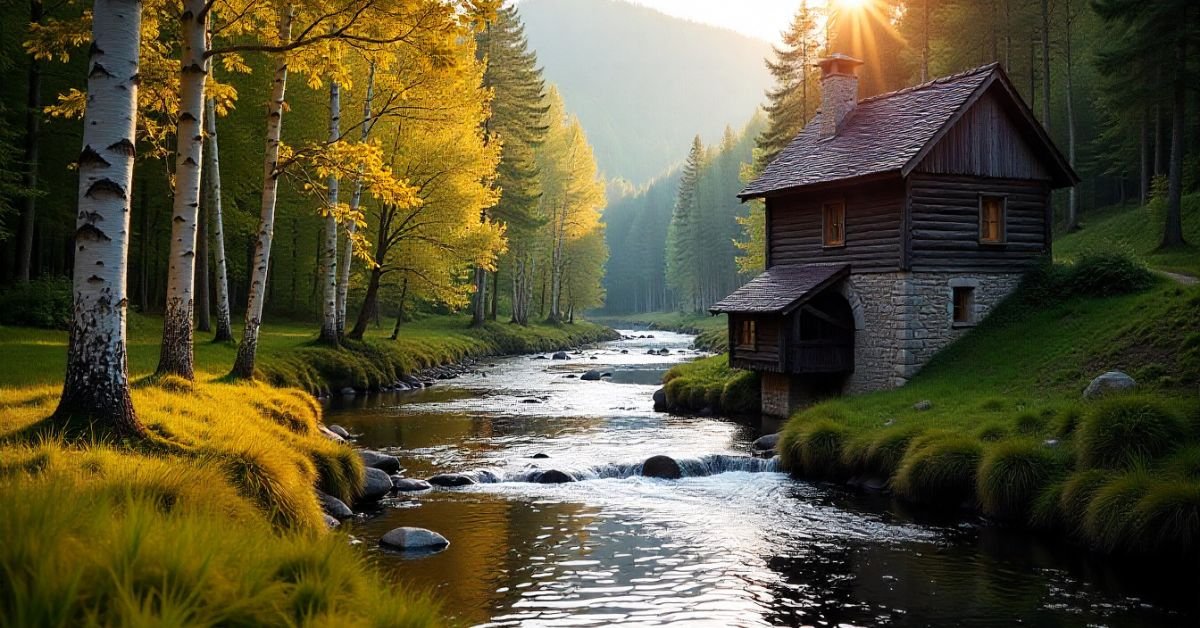
surroundings are more than scenic—they’ve shaped its destiny.
Strategic Geography
- Located near an old cross-mountain trail once used by medieval couriers
- Surrounded by birch and spruce forests, ideal for natural resource-dependent crafts like woodcarving
Natural-Historical Sites
- Stone Circle of Mebalovo (prehistoric)
- River Tava Tributaries, used to power early mills
Visual: Natural Resources Timeline (Table)
| Resource | Use through the Ages | Present Day Status |
| Forest Timber | Home building, crafts | Sustainably regulated |
| River Water | Milling, washing | Ecotourism kayak trails |
| Herbs & Medicinals | Community health | Still foraged today |
Cultural Festivals that Preserve the Past
While many small towns have moved toward modern festivals, celebrations remain fiercely traditional.
Events Calendar
- Festival of Wheat (July): Marks harvest with bread-baking contests
- Mebalovo Folklore Days (September): Costumes, dances, oral storytelling
- St. Ilija Feast Day (August 2nd): Processions and nighttime candle walks
These festivals offer hands-on opportunities for cultural immersion, drawing in anthropologists and photographers annually.
Culinary Traditions Passed Through Centuries
Food in Mebalovo tells as much of a story as its monuments do.
Signature Dishes
- Pita od Krompira: Hand-rolled pastry with buttered potatoes
- Rakija: Fruit brandy distilled via century-old copper stills
- Wild Mushroom Stew: Foraged mushrooms in clay pots
Sustainable Heritage Tourism
Since 2023, Mebalovo has been part of the European Rural Heritage Initiative, a program aiming to protect villages from overtourism.
Responsible Travel Tips
- Stay in eco-certified homestays
- Avoid bringing plastic waste (recycling is limited).
- Book only certified local guides
Program Success in Numbers (2025, EU Heritage Office)
| Year | Tourist Volume | Revenue Increase | Infrastructure Updates |
| 2023 | 4,000 | +18% | Restored 3 sites |
| 2024 | 5,600 | +32% | Built info center |
| 2025 | 7,800 | +40% | Launched trail maps |
Planning Your Visit: Tips & Access
Reaching Mebalovo might take effort—but it’s worth every moment.
Easy Transportation Routes (From U.S.)
- Fly into Belgrade or Sarajevo
- Take a railway route to Zabljak village
- Final mile: Local minibus or guided private shuttle
Best Times to Visit
- Spring (May–June) for mild weather and greenery
- Autumn (September–October) for festivals and rich landscapes
Where to Stay
- Historic Inn Borova (est. 1899)
- EcoFarm Dragutić – Lodging + workshops
- Village Homestays – Partnered through RuralStayEurope.com
Data & Visuals Section
Visual 1: Historical Visitor Growth Chart (2021–2025)
plaintext
Visitors to Mebalovo (Thousands)
2021 | █ 1.2K
2022 | ██ 2.5K
2023 | ████ 4.0K
2024 | ██████ 5.6K
2025 | ████████ 7.8K
Source: European Heritage Tourism Insights, 2025
Visual 2: Comparison: Mainstream vs Heritage Destinations (2025)
| Feature | Mainstream Cities | Mebalovo |
| Tourist Density | High | Low |
| Cost of Stay (avg/night) | $150 | $45 |
| Cultural Immersion | Moderate | High |
| Environmental Impact | High | Low |
| Authentic Daily Life | Rare | Common |
FAQs
Where is Mebalovo located exactly?
Eastern Europe, in the mountainous Balkans region. Coordinates vary by map provider.
Is this place safe for solo travelers?
Absolutely. It’s known for its tight-knit, welcoming community.
How many days should I stay in there?
3–5 days are ideal to explore sites and experience culture fully.
Are there internet and mobile services available?
Basic services are available, but expect limited coverage in remote parts.
Can you visit Mebalovo year-round?
Yes, but late spring through early autumn offers the most accessible travel.
Conclusion
Mebalovo may not hit the front pages of travel magazines, but it is precisely this anonymity that makes it a gem worth exploring. Its layered history, coupled with its unspoiled nature and spirited people, creates a travel experience that is rare in 2025’s globalized world.
Whether you’re researching under-the-radar destinations, on a specialty heritage tour, or simply longing for something deeper than your average trip, promises cultural authenticity and profound beauty.