


 By
By Introduction
In an age where life moves fast and roots often feel shallow, people around the world and especially across America are returning to tradition as a way to reconnect with meaning. Amidst globalization and digital life, Lufanest emerges not just as a cultural relic but as a living lifestyle, a dynamic blend of heritage, community, ritual, and identity.
Whether it’s preparing a family recipe, gathering for seasonal festivals, or storytelling around a fire, It offers a pathway to reconnect with others and ourselves. It doesn’t resist progress; it grounds it.
Quick Definition
It is a cultural lifestyle shaped by ancestral values, communal traditions, and rhythmic living that honors memory, identity, and connection across generations.
Origins and Meaning of Lufanest
At its heart, Lufanest isn’t just a set of customs, it’s a worldview. It represents the woven fabric of memory, tradition, and values that shape the identity of a people or a place. While practices may vary regionally or culturally, the essence of it lies in its respect for:
- Continuity: Connecting past, present, and future
- Community: Putting shared experience above individualism
- Meaningful Repetition: Finding sacredness in everyday acts
Though the term “Lufanest” may feel freshly coined, its soul is ancient, drawing on agrarian lifestyles, immigrant memory, and indigenous wisdom.
The Emotional Power of Rituals
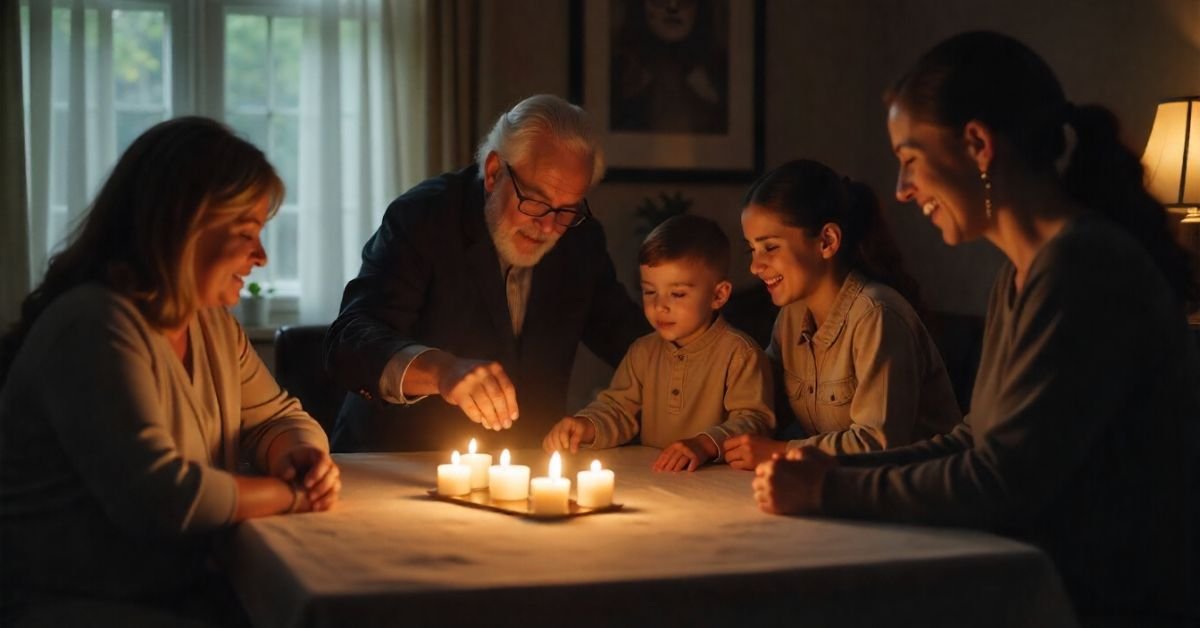
Tradition isn’t about doing something “because we always have.” In Lufanest, rituals are emotional anchors infusing events, gestures, and memories with deep resonance.
| Ritual Type | Function | Emotional Impact |
| Naming Ceremony | Honoring identity | Belonging |
| Harvest Festival | Seasonal gratitude | Rhythm & rootedness |
| Ancestor Tribute | Remembering those before us | Intergenerational bonding |
| Daily Family Meal | Communal nourishment | Togetherness |
As cultural anthropologist Dr. Helen Yang notes:
“It’s the repetition, not the scale, that imbues rituals with emotional power.”
Lufanest in Daily Life: The Lifestyle of Tradition
It isn’t only expressed in festivals it flows through daily choices, creating a rhythm that contrasts with fast-paced modernity.
Common Lifestyle Expressions:
- Preparing traditional dishes using old recipes
- Sharing oral stories or folk songs during unstructured moments
- Living in multi-generational homes or embracing collective care
- Embracing slow fashion or handmade crafts
- Practicing eco-conscious habits, drawing on ancestral respect for land
These acts are not nostalgic; they are deeply intentional, promoting mindfulness, sustainability, and connection.
Lufanest Across Cultures
Just as America is a mosaic of cultures, It takes many forms yet always reflects the value of shared memory.
| Region/Community | Expression of Lufanest | Origin |
| Appalachian towns | Folk healing and seasonal festivals | Scotch-Irish & local agrarian culture |
| Chinatowns in urban areas | Mid-Autumn tea ceremonies, ancestor altars | East Asian customs |
| Latinx communities | Día de los Muertos family shrines and feasts | Mesoamerican-Christian tradition |
| Midwest rural communities | Quilt-making, church socials | European immigrant roots |
| Indigenous communities | Sustainable practices, land rituals | Tribal & ecological beliefs |
These traditions are not “quaint relics” they are living acts of cultural resilience and shared humanity.
Technology, Storytelling & Modern Expression
Can you practice Lufanest in a digitized world?
Yes when used thoughtfully. While face-to-face rituals are core, digital platforms help traditions evolve without erasure.
Digital + Tradition = A New Kind of Storytelling:
- TikTok videos preserving endangered languages
- Zoom storytelling circles with elders
- Instagram pages sharing old recipes
- Podcasts sharing intergenerational narratives
Caution: Without context, online content risks simplification and commodification. Preserve the intention, not just the image.
Embracing Lufanest in Your Life
You don’t need to be part of one specific culture to practice it. Start where your roots meet your current life.
Actionable Ways to Begin:
- Ask a family member about their favorite tradition.
- Cook a dish your grandparents loved.
- Record anolder person sharing a story.y
- Join a local craft, dance, or language class
- Attend a cultural festival in your area with openness
“Tradition is kept alive not by freezing it in time, but by infusing it with new life.”
Core Values of Lufanest
| Value | Expression |
| Togetherness | Community meals, shared stories |
| Honoring Time | Seasonal rituals, slow living |
| Intergenerational Wisdom | Apprenticeship, oral history |
| Spiritual Presence | Gratitude, sacred practices |
FAQs
What does “Lufanest” mean?
It refers to a lifestyle shaped by community traditions, values, and shared practices passed through generations.
Is it only for specific cultures?
Not at all anyone can explore it by engaging with their own cultural roots or local community rituals.
Does it conflict with modern life?
No, It adapts to modern life by adding intention and rhythm rather than rejecting modern tools.
Can it be practiced in urban settings?
Yes, urban gardens, storytelling nights, and cultural festivals are all urban expressions.
Where can I learn more about it?
Start with community centers, local elders, or cultural nonprofits in your area.
Conclusion
At first glance, Lufanest may seem like an old idea rooted in rituals, crafts, and the wisdom of ancestors. But when we look closer, we see that it holds a modern relevance. It is not about resisting change; it’s about navigating change with grounding. It invites us to slow down, to reconnect with values, to include others in meaningful acts, and to pass forward what matters most.
Whether practiced in rural villages, urban apartment complexes, or digital spaces, Lufanest adapts. It teaches us that tradition is not the opposite of progress; it is the soul of progress when rooted in community, story, and care.
So, by embracing even a small ritual, be it cooking an ancestral dish, lighting a candle in memory, or gathering loved ones around a story, we are not just honoring the past. We are enriching the present and shaping a more connected future.