

 By
By Introduction
In 2026, as the world embraces cultural diversity more than ever before, a unique artistic expression known as bardoek is captivating designers, architects, and creatives across the United States and beyond. More than just a pattern or motif, It is a philosophy, a way to bring together ancient traditions and contemporary aesthetics, creating something both timeless and innovative.
Originating from Southeast Asia, It intertwines age-old craftsmanship with sleek, minimalistic forms. From runway collections to gallery installations and urban facades, its warm, grounding patterns are spreading through art, fashion, and design spaces across the globe. Whether you’re an art enthusiast, a fashion designer, or simply captivated by cultural stories, It is an aesthetic worth exploring.
Let’s dive deep into how this vibrant cultural form is shaping our modern world.
Origins of Bardoek
The journey of bardoek begins deep in the cultural landscapes of Southeast Asia, where ancient artisans used natural dyes and hand-woven fabrics to craft spiritually symbolic patterns. It is believed to represent balance and harmony between humanity and nature, rooted in traditions that go back thousands of years.
Today’s interpretation of it pulls from this legacy while integrating digital tools, synthetic media, and environmental consciousness.
Key Influences
- Traditional Javanese textiles (e.g., batik)
- Indigenous symbolism
- Colonial and post-colonial artistic transitions
What makes it different?
While it shares some overlapping traits with boho or ethnic prints, It stands separately because of its deep spiritual context and intentional design philosophy resonating with modern sustainability values.
Symbolism and Cultural Meaning
More than visual. Each swirl, cross, and hue represents ancestral legends, mythology, or nature.
Common Symbolism
- Criss-cross patterns: Life paths, crossroads
- Circles within squares: Earth and cosmos balance
- Indigo blue: Spiritual protection
Cultural scholars in 2026 stress that understanding the layers behind this art form helps avoid cultural appropriation and instead supports a respectful cultural exchange.
The Revival of Cultural Patterns in Modern Art
Contemporary artists are now increasingly leaning into traditional patterns, not to mimic the past, but to have a dialogue with it. In American galleries, Its inspired works are appearing in various forms: printmaking, sculpture, and even NFT-based art pieces.
Why It’s Trending in 2026
- Growing interest in heritage-based art
- A reaction against fast design culture
- Seek genuine human connection through design
Renowned curators are integrating its pattern installations into community-based exhibitions in cities like Los Angeles and Atlanta.
Bardoek in Fashion Design
One of the most exciting spaces for it today is the fashion industry. Brands like Maison Arken, a sustainable luxury label in New York, have reimagined its inspired designs into high-street collections, runways, and exclusive capsule lines.
| Designer Brand | Type of Bardoek Integration | Year Launched |
| Maison Arken | Digital reinterpretation in coats and scarves | 2026 |
| Bloom Vibe LA | Eco-textiles with traditional designs | 2025 |
| Verda Textile Co. | Hand-dyed artisan prints for streetwear | 2026 |
Noteworthy Trends:
- Use of organic cottons and natural dyes
- Collaborations with Southeast Asian weaving communities
- Limited edition designs to prevent overproduction.
Architectural Applications
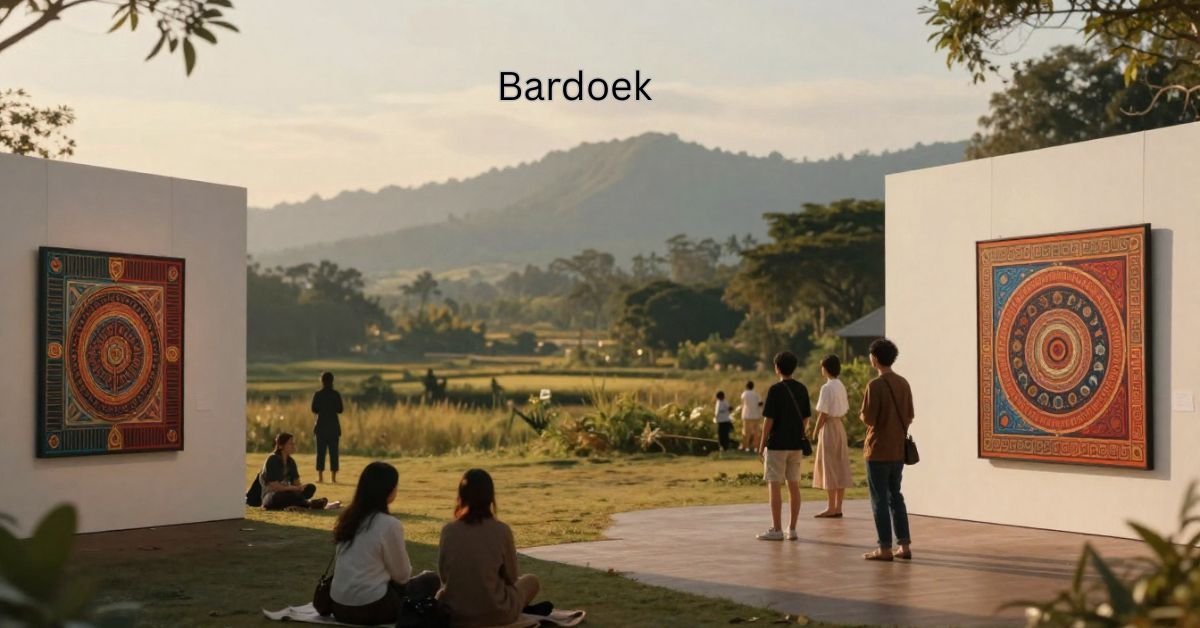
The rise of it in architecture shows how deeply this visual language now influences space design. Originally found only in textile patterns, It is now being used by architects in glass facades, wall panels, floor tiling, and public parks.
Case Study
The Chicago Cultural Passage (2026) integrated laser-cut steel murals in bardoek patterns across its urban design, blending history, storytelling, and aesthetics.
Architectural benefits:
- Geometric rhythm brings visual stability.
- Symbolic overlays add cultural identity.
- Offers wayfinding clues in public space design
Bardoek and Sustainable Craft
In 2026, sustainability isn’t just a trend; it’s a necessity. The revival of it fits perfectly into this world, as most of its traditional methods are inherently eco-friendly and made by artisan hands rather than machines.
Sustainable Practices
- Plant-based dyes (e.g., indigo, turmeric)
- Hand weaving reduces energy usage.
- Ethically sourced fibers
Choosing its products can play a key role in ethical consumption, especially appealing to Gen Z consumers in the U.S.
How Modern Designers Are Reinterpreting Bardoek
Modern-day artists and designers avoid copying old patterns blindly. Instead, they’re reimagining them for present-day stories. You’ll now find its paired with:
- Augmented reality fashion shows
- AI-generated pattern tools
- Digital embroidery robotics
Interviews from 2026 Designers: “It is not about mimicking the past. It’s about translating ancient wisdom into visual languages our fast world understands.” Aliyah Montez, Textile Innovation Lead at Loop Designs
Social Media’s Role in it’s Global Rise
Much of it’s popularity is thanks to visual platforms like Instagram, Pinterest, and TikTok. In 2026, viral design challenges and “heritage hacks” have turned it into a beloved motif for younger users curious about identity and roots.
Top Hashtags This Year
- #BardoekInspired
- #ModernHeritageDesign
- #SustainablePatterns
Side-by-side trends show it performs especially high in home decor influencers’ portfolios and slow fashion reels on TikTok.
| Platform | Avg. Weekly Mentions (2026) | Type of Content |
| 22,000 | Outfit reels, moodboards | |
| TikTok | 18,500 | DIY clothing, bardoek art walls |
| 34,000 | Home decor boards |
Challenges of Cultural Preservation in a Global Age
The distinction between appreciation and appropriation is subtle. And with it’s rising recognition in the U.S., scholars are encouraging policies and education that protect its indigenous roots.
Key Issues:
- Western fast fashion misusing sacred symbols
- Lack of credit to original artisans
- Profit without return to source communities
Actionable Suggestion: Buy directly from certified collaborative collections that pay royalties or reinvest into craftspeople’s communities.
Future of its in American Creative Industries
Looking forward, It is not going away. It may become a backbone of how we think about multicultural design, especially as America continues to become more ethnically diverse and globally engaged. Emerging university design programs, like the Pacific Cultural Design Lab (UCLA), now include modules specifically on it and ancestral pattern ethics.
What’s Next?
- More AR art installations using its elements.
- AI-generated clothing using culturally rooted pattern algorithms
- Community mural projects in urban neighborhoods
Data Tables & Visuals
Bardoek vs Other Traditional Pattern Styles (Design Spaces):
| Pattern Style | Region | Key Characteristic | Modern Use |
| Bardoek | Southeast Asia | Balanced nature-human symbolism | Architecture, Fashion, NFTs |
| Batik | Indonesia | Wax-resist dye method | Textiles, Interior Decor |
| Ikat | South Asia, SEA | Resist-dyeing technique | Yoga apparel, Rug design |
FAQs
What does “bardoek” mean?
It is a traditional Southeast Asian design pattern that symbolizes the harmony between humanity and nature.
Is it the same as batik?
No. While they share roots, It focuses more on symbolism and modern reinterpretations.
Can I wear its inspired clothing if I’m not from the culture?
Yes, if it comes from ethical sources and is worn respectfully.
Where can I buy its authentic crafts in the US?
Ethical enterprises, cultural co-ops like Ten Thousand Villages, and global craft fairs sell authentic crafts.
What makes it sustainable?
It uses plant dyes and slow handmade processes and supports local artisans.
Conclusion
As American designers continue to seek deeper, more meaningful ways to express creativity, It has emerged as a timeless bridge between continents, between old and new, and between form and feeling. Its journey from sacred textile to digital layer, from village craft to city skyline, is proof that heritage, when honored, never goes out of style.
Whether you’re a creator, collector, or cultural enthusiast, embracing bardoek means supporting craft, history, and sustainable artistry in one elegant step.