


 By
By Introduction
In 2026, we’re living in a world where digital experiences are more real than ever. One platform that’s taking this to the next level is Realifecamù. This rising tech trend is all about streaming real life from private homes to shared spaces without editing, filters, or scripts. It brings raw, uncut realness directly to your screen, 24/7.
People in the U.S. are growing more curious about how others live, work, and interact in everyday moments. That’s exactly what Realifecamù delivers: a live-streamed window into real life. While this method may sound revolutionary, it also raises big questions around privacy, consent, and digital ethics.
This article explores the technology behind Realifecamù, why people watch, how it’s evolving in 2026, and what we should expect next. Whether you’re a tech lover, digital culture follower, or simply curious, you’ll find answers here.
What Is Realifecamù?
Realifecamù is a live webcam streaming platform that shows people’s real lives, unfiltered and uncensored. Unlike social media, where people present a curated version of themselves, Realifecamù focuses on authenticity. You see people cooking, sleeping, working, or just existing in real time.
It started gaining traction because users were drawn to realism. There’s no acting, no directors. Everything is streamed as it happens, from private homes and shared spaces with full consent from participants.
Key Points:
- Broadcasts are live 24/7.
- No scripts or editing
- Viewers can watch interactions unfold naturally.
Platforms like this ride the wave of “hyper-transparency,” something Gen Z and Millennials are interested in more than previous generations.
How Live-Streaming Technology Works
Behind the scenes, live streaming depends on fast internet, smart camera tech, and cloud computing. Realifecamù uses a network of HD and 4K cameras connected to secure servers, where the footage is encoded and broadcast to viewers in real-time.
Modern Streaming Features in 2026:
- Edge computing for faster frame delivery
- 5G and 6G connection speeds
- Cloud platforms like AWS or Azure for data transport
- AI-based enhancement (face tracking, lighting correction)
Comparison of Live Streaming Technologies
| Tech Feature | 2020s Early Version | 2026 Optimized Version |
| Streaming Delay | 5–15 seconds | <1 second (near instant) |
| Video Quality | 1080p | 4K–8K HDR |
| Network Type | WiFi / 4G | 5G / 6G / Fiber |
| AI Integration | None/Limited | Advanced camera auto-tracking |
| Storage | Local / Cloud hybrid | Fully cloud-based |
This rapid progress means fewer interruptions and smoother, clearer footage for everyone watching.
Why Are People Watching Reality Streams Today?
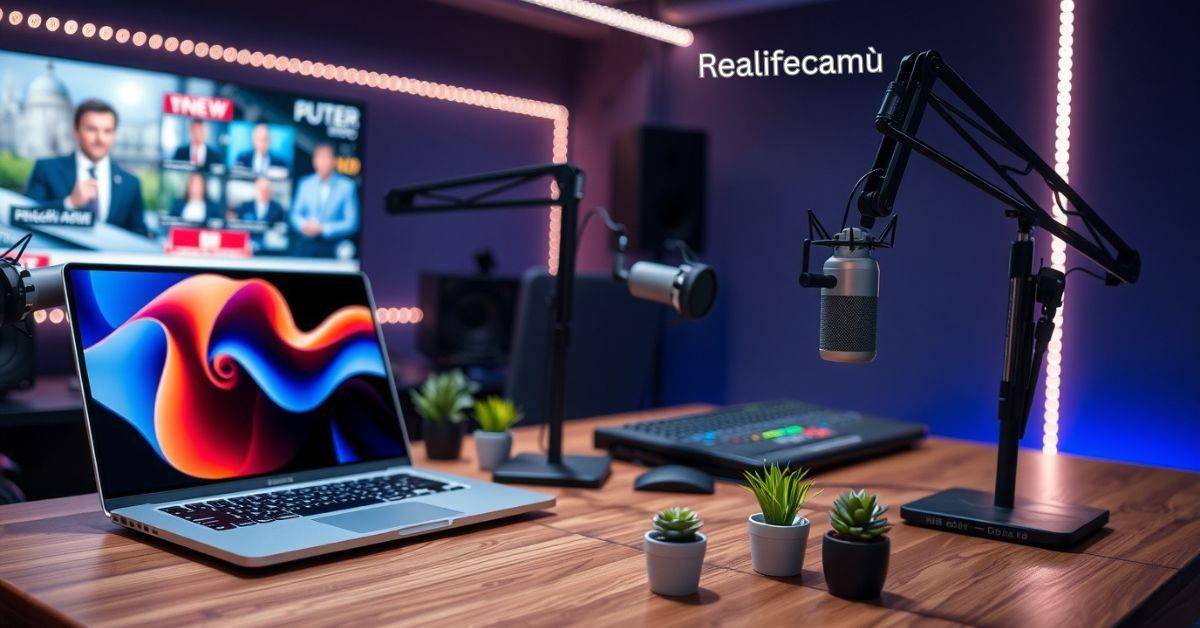
You might ask, why would someone watch someone else’s everyday life? The answer lies in relatability and curiosity. Viewers say they feel a human connection, even when just watching silent activities like folding laundry or reading.
Common Viewer Motivations:
- Curiosity about how others live
- Sense of real companionship
- Mindfulness or background …“white noise”
- Studying human behavior or psychology
In an age of social isolation and burned-out digital filters, raw content is refreshing. Platforms like Realifecamù help people feel less alone and more connected.
Privacy and Consent: The Controversial Side
When it comes to consent and boundaries, real-time streaming from private homes naturally raises questions. Realifecamù claims all broadcasts are 100% consensual but how is that verified?
Some critics say:
- Contracts may be exploitative.
- Consent may not be long-term
- Children & guests may appear unknowingly.
Legally, U.S. states differ on what can be recorded, especially in private places. Many now propose stricter surveillance and adult consent laws in 2026. To avoid harm, most platforms now require:
- Signed consent contracts
- Verification checks
- Ability to pause or quit filming anytime
Real-Time Streams vs Scripted Shows
Let’s face it, reality shows like Big Brother or Survivor are fun. But they’re usually heavily edited, manipulate emotional responses, and control narrative pace. Realifecamù is different.
| Feature | Scripted Reality Shows | Realifecamù |
| Edited Content | Yes | No |
| Produced Drama | Planned | Organic |
| Viewer Involvement | Passive | Emotional connection |
| Nugget Moments | Selected | Happens random, any time |
This rawness might lack “plot,” but it makes viewers more emotionally invested because it feels real and unpredictable.
Legal Landscape in the U.S.
As of 2026, U.S. laws are racing to keep up with the boom in real-life livestreaming. Some states, like California and New York, have passed new digital privacy acts that classify livestreams from private homes under personal data law.
Key Legal Areas:
- Consent (initial + ongoing)
- Personal data regulation
- Location tracking and surveillance bans
- Child safety & guest privacy
Legal experts suggest a federal-level law could emerge in the next 2–3 years to set a standard across the country.
The Role of AI in Smart Live Streaming
Artificial intelligence now powers many parts of live streaming from face recognition to camera auto-following, speech detection, and even viewer mood analysis.
AI features in 2026:
- Blurring unauthorized faces
- Identity protection in private zones
- Noise reduction in audio
- Auto-halt if stress is detected on stream.
App developers now focus on building adaptive AI, which responds in real-time to what’s happening in the stream, making it more ethical and viewer-responsive.
Popular Devices and Setups in 2026
You don’t need a film crew to go live anymore. In fact, 2026 offers plug-and-play smart webcam kits that make it simple. 2026 Popular Live Streaming Setups:
- Smart home cameras with privacy features
- Wearable body cams for mobility
- Ceiling mounts for full-room capture
- Smart audio systems with noise filtering
Most of these come with control apps, giving users full command over when they stream and what’s recorded.
Top Devices Used for Realifecamù Setups
| Device Brand | Camera Features | Price Range |
| Nest Cam Pro | 4K Ultra HD, Motion-detect | $149–199 |
| Arlo Stream+ | AI alerts, privacy mode | $199–250 |
| InstaLive GlobeCam | 360° rotation, infrared night vision | $179–229 |
Ethical and Mental Health Considerations
While some users say the platform helps with loneliness or builds self-discipline, others raise concern about exploitation and the mental toll on those being streamed.
Experts encourage setting:
- Stream-free hours for personal time
- Weekly therapy or review sessions
- Consent refresh checks every month
There’s also growing talk in 2026 of a “Digital Ethics Board” that would monitor large platforms like this, similar to content watchdogs for TV.
What’s Next for Livestream Tech?
The future of real-life streaming is bright but also demands thoughtful development. Industry leaders predict these upcoming trends:
What to Expect:
- More immersive VR & AR live views
- User-generated live zones or multi-cam rooms
- Paid emotional support communities where you can talk to streamers
- Biometric sensors feeding live mood metrics (opt-in only)
As tech improves, Realifecamù may evolve from passive watching to interactive life-sharing experiences.
FAQs
Is Realifecamù legal in the United States?
Yes, as long as all involved parties give consent and local privacy laws are followed.
Can someone watch Realifecamù anonymously?
Yes, most viewers do so without signing in or revealing their identity.
Are children ever shown on these streams?
Showing minors on these streams is illegal without parental approval.
How do streamers make money?
Platform payments, audience tips, and third-party advertisers fund streamers.
Can streams be taken down if someone changes their mind?
Yes, most platforms offer pause/remove controls if consent is withdrawn.
Conclusion
Realifecamù is more than just a digital trend; it’s a reflection of where society is heading. In a world increasingly curated, people yearn for honesty, connection, and unfiltered moments. Thanks to advancements in tech, AI, and streaming quality in 2026, we’re able to share more of real life with fewer borders.
Still, this tech demands careful thought as we balance authenticity with consent and privacy. With clear laws, better ethical practices, and smarter AI in place, next-gen livestreaming could become one of the most impactful digital movements yet.