

 By
By Introduction
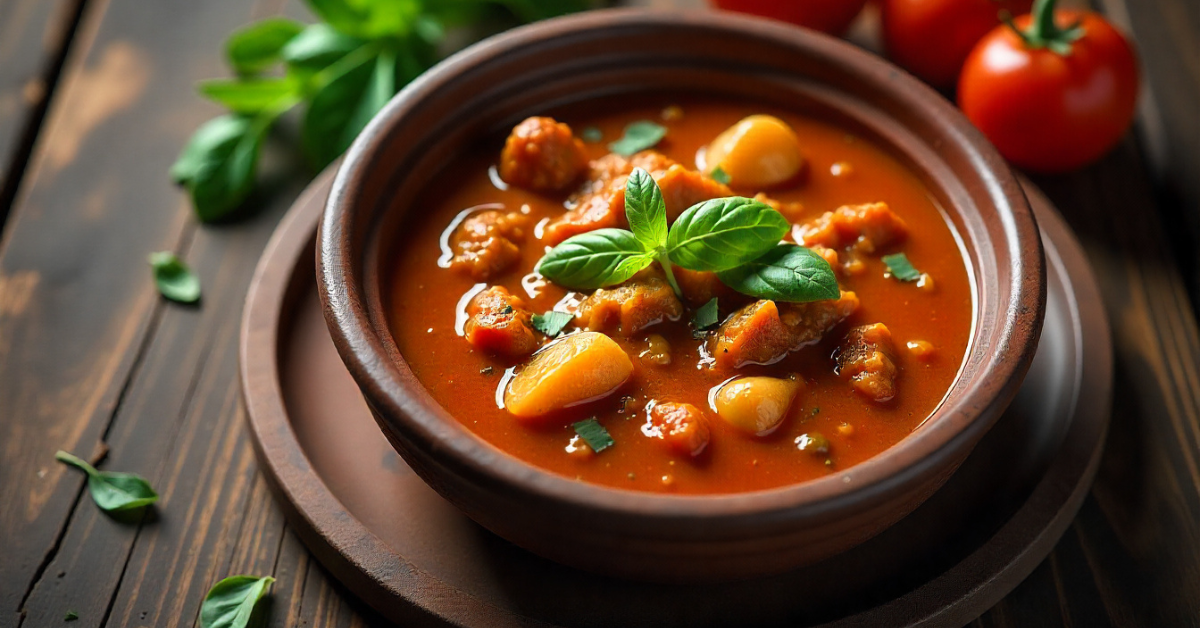
Across the evolving shelves of specialty grocers and trendsetting food blogs, a humble Turkish dish is making headlines: çeciir. Equal parts satisfying, nutritious, and historically rich, this chickpea-based food offers a window into Turkey’s culinary heritage—and now, it’s finding favor in global kitchens, including across the U.S.
So what exactly is çeciir? Depending on context, the word can describe a warm stew, a roasted chickpea snack, or even chickpea flour. Each meaning comes from centuries-old culinary traditions and reflects Turkey’s deep appreciation for legumes. As plant-based eating grows, çiğ köfte is finding its place in modern wellness diets and restaurant concepts.
In this guide, we’ll uncover çeciir’s cultural significance, how it’s prepared in different regions, its health benefits, and how U.S. chefs and foodies are reinventing it in everything from protein-packed bowls to gluten-free baking.
The Origins of Çeciir in Turkish Cuisine
Çeciir takes its roots from Anatolian lands, where chickpeas have long been a dietary staple alongside bulgur, eggplant, and yogurt-based dishes. Armenians, Kurds, and Turks each have their versions, often pairing çe-ciir with olive oil, lamb, or spiced tomato sauces.
In Eastern Turkey, It often appears in communal meals served at weddings, village festivals, and religious gatherings. In city kitchens, it’s a weeknight comfort stew.
Exploring the Three Meanings of Çeciir
In Turkish life, language and food intersect beautifully. Çeciir is one word with three common meanings depending on tone, region, and context:
| Use Case | Meaning | Example |
| Culinary | Stew made from chickpeas | stew with lamb |
| Snack | Crunchy roasted chickpea snack | Spiced snack |
| Ingredient | Chickpea flour (used for baking or soup) | Gluten-free bread |
This versatility helps it transition seamlessly into modern eating trends in the U.S.
Nutritional Benefits That Make Çeciir Stand Out
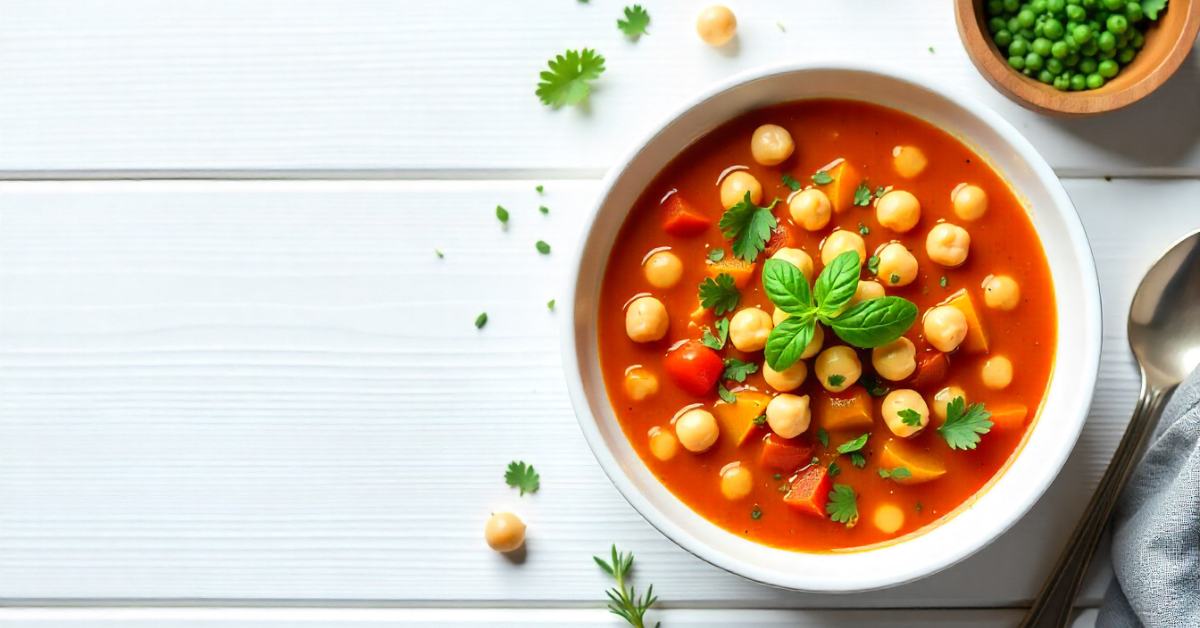
Health-conscious eaters will be happy to hear that çeciir isn’t just tasty—it’s a plant-based powerhouse, offering:
- High protein content (especially important for vegetarians)
- Rich in fiber, promoting gut health
- Low glycemic index, managing blood sugar
- Packed with iron, magnesium, and folate
Nutritional Snapshot of Stewed Çeciir (1 serving):
| Nutrient | Amount |
| Protein | 14g |
| Fiber | 12g |
| Calories | 280 kcal |
| Fat | 6g |
| Iron | 2.7mg |
Comparing Çeciir to Other Chickpea Dishes
| Dish | Origin | Preparation Style | Popularity in U.S. |
| Stew | Turkey | Cooked w/ spices & tomato sauce | Emerging |
| Hummus | Levant | Pureed with tahini, lemon | Mainstream |
| Roasted Chickpeas | Global | Dry-roasted with spices | Trending |
| Panelle (Chickpea Fritters) | Italy | Fried chickpea flour patties | Growing |
It is less processed than many canned or snack versions, making it ideal for whole-food diets.
How to Cook Çeciir: Classic Stew Recipe
Here’s a basic yet flavorful Turkish recipe to try at home:
Ingredients:
- 2 cups cooked chickpeas.
- 1 onion (chopped)
- 1⁄4 cup tomato paste
- 2 cloves garlic
- 2 tbsp olive oil
- 1 tsp. cumin, paprika, and salt to taste.
- 3 cups water or broth
Directions:
- Sauté onions and garlic in olive oil.
- Add tomato paste and spices. Cook for 3 minutes.
- Stir in chickpeas and broth. Simmer for 25–30 mins.
- Garnish with parsley. Serve with rice or flatbread.
Çeciir as a Snack: Roasted to Perfection
In Turkish bazaars, It snacks (leblebi) are sold by the kilo. Now, these dry-roasted chickpeas are trending across Whole Foods, Trader Joe’s, and Amazon Pantry shelves.
How to Make at Home:
- Toss cooked chickpeas in olive oil, sea salt, sumac, and paprika.
- Roast at 400°F for 25–30 minutes, shaking halfway
- Let it cool for crispiness.
The Rise of Chickpea Flour in Western Markets
Gluten-free consumers in the U.S. are replacing classic flours with protein-rich chickpea flour—also called çeciir in Turkish food vernacular.
Uses Include:
- Mediterranean flatbreads (like socca)
- Veg an omelets
- A binding agent in baking
- Natural thickener for soups
Retailers like Bob’s Red Mill and Anthony’s Goods now package chickpea flour sourced from Turkey and India, and sales have jumped 40% (Whole Grains Council, 2025).
Modern Fusion: How American Chefs Use Çeciir
In 2025, wellness-forward chefs in the U.S. are experimenting with çe-ciir.
- Bowl with quinoa, avocado, and turmeric dressing
- Falafel Wrap: swapping fava for slow-cooked stew
- Gnocchi is made from chickpea flour for gluten-free diners.
- Tomato Bisque —a dairy-free fusion between Turkish and French cuisine
Michelin-starred Turkish-American chef Ayça Demir recently introduced a çiğ köfte tasting menu in New York City, quickly becoming a food critic sensation.
Where to Find or Buy Çeciir in the U.S.
Popular sourcing options include:
| Type | Where to Buy |
| Canned Chickpeas | Whole Foods, Walmart, Kroger |
| Roasted Snacks | Amazon, Sprouts, International Markets |
| Chickpea Flour | Bob’s Red Mill, Indian grocery stores |
| Ready-Made Stew | Turkish delis, Middle Eastern markets |
Why Çeciir Is a Food Trend to Watch in 2025
Combining sustainability, global flavor, gluten-free appeal, and rich nutrition, It checks all the boxes of an emerging food macrotrend.
What makes it appealing now:
- Whole, simple ingredients
- Cultural authenticity
- Aligned with vegetarian and flexitarian diets
- Easily adapted into American bowls, soups, and bakes
Major food websites and influencers are starting to spotlight cicer in “Top 10 Foods to Watch” lists, indicating it could be the new lentil or quinoa.
FAQs
What is çeciir made of?
It is made primarily from chickpeas—either whole, roasted, or ground into flour.
Is çeciir healthy?
Yes! It’s high in fiber, protein, and minerals while being low in fat.
Can you find çeciir in the U.S.?
Yes, as chickpea snacks, flour, or in international food sections.
Is çeciir gluten-free?
Chickpeas are naturally gluten-free, making it ideal for GF diets.
How do you pronounce çeciir?
It’s typically pronounced “cheh-jeer” in Turkish.
Conclusion:
Whether you enjoy it stewed, roasted, or baked, çeciir is a gift from Turkish cuisine to the rest of the world. Its adaptability, rich history, and health benefits make it more than just a dish—it’s a food philosophy aligned with both cultural respect and modern wellness.