

 By
By Introduction
When people think of great travel destinations, they often name places like Rome, New York, or Tokyo. But there are still many lesser-known places that are just as amazing, maybe even more special. One of those places is Antolohe.
It is a hidden gem. It’s a peaceful and beautiful area filled with greenery, wildlife, history, traditions, kind people, and amazing stories. Whether you love nature, exploring other cultures, or just enjoying calm and quiet places, It has something to offer.
In this article, you’ll learn about it’s geography, people, festivals, food, arts, and more. You’ll also find out how to travel respectfully and be part of something special, not just a visitor, but a mindful guest.
Where is Antolohe?
It is located in the heart of Madagascar, surrounded by green forests, hills, and beaches. The area gets lots of sunshine and rain, making everything rich and alive. It’s not a big city or crowded town; it’s calm, green, and full of natural beauty.
Small villages and farmlands stretch through its land. Nearby, you can walk along the beach or hike in the hills. Some places are challenging to reach, so local guides help visitors explore safely and respectfully.
Nature and Wildlife in Antolohe
It is home to many plants and animals that you can’t discover anywhere else in the world. You might see in it blue frog, known for its bright color and musical croak. There are also rare birds like the golden-winged warbler, whose singing is beautiful at sunrise.
Forests here grow trees called skyreachers; they’re so tall it looks like they touch the clouds. Colorful flowers bloom in different seasons, adding bright colors to the green forests. If you love nature, It will feel magical. But visitors are always asked to protect the land and not disturb animals or plants.
Common Animals and Plants in Antolohe
| Type | Name | What Makes it Special |
| Frog | Antolohe blue frog | Bright blue color and soft croak |
| Bird | Golden-winged warbler | Rare bird with a golden shine and melodic song |
| Tree | Skyreacher tree | Very tall trees with wide, shady tops |
| Flower | Firepetal bloom | Only blooms at night; glows slightly in the moonlight |
People, languages, and communities
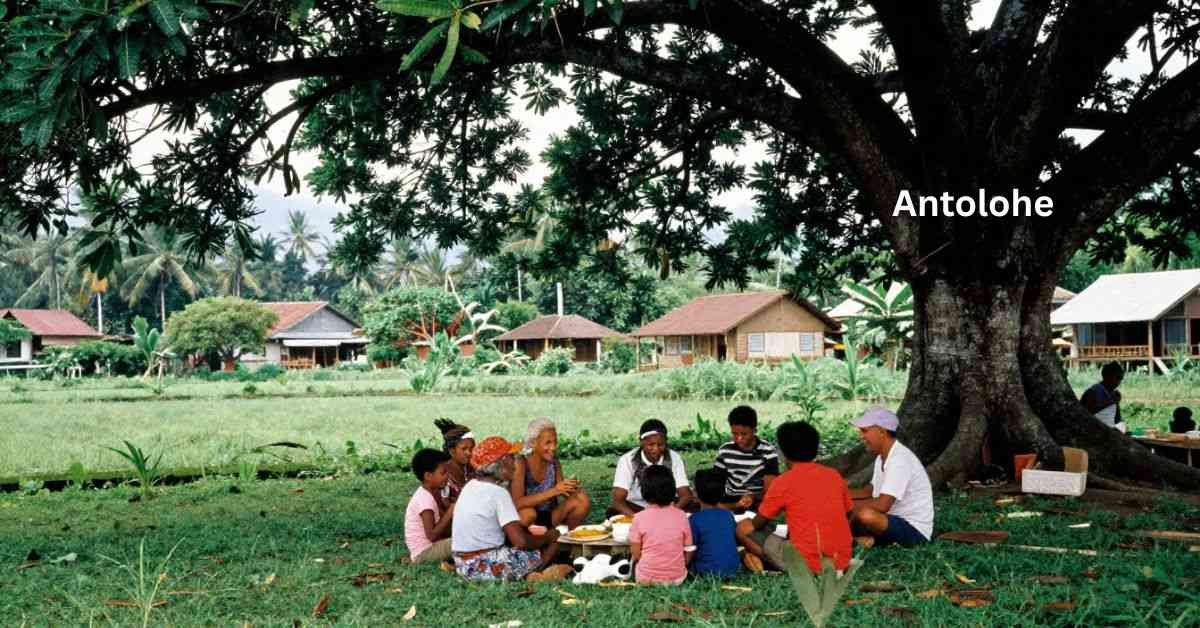
The people of Antolohe are kind, friendly, and live closely with nature. Most families live in small villages with farms and gardens. People care deeply about community, family, and tradition.
People in it pass down a local dialect (language) from grandparents to grandchildren. Stories, songs, and poetry keep the language alive. Many people also speak the national language of Madagascar.
Children learn from elders, not just in school but at home and in community circles. Elders share stories from long ago, helping kids understand where they come from.
Festivals That Bring Everyone Together
People in Antolohe love to celebrate. But their festivals are different from parades or loud concerts. Here, festivals are about gratitude, family, memory, and creativity. There are three main festivals every year. Let’s look at them:
Major Festivals in Antolohe
| Festival Name | When It’s Held | What It Celebrates | Activities |
| Solhari Festival | October | Harvest season and thanks to Earth | Sharing food, music, and planting rituals |
| Lumalou Celebration | March | Remembering ancestors | Storytelling, traditional prayers, meals |
| Vireh Arts Fair | August | Youth talent in arts and music | Dance shows, painting, plays, local crafts |
Music and dance tell stories
In Antolohe, music and dance are not just for fun; they are part of life, learning, and connection. There are three popular music styles:
- Drumming: Played during group celebrations and rituals
- Reed flute melodies: Gentle music used to tell love and peace stories
- Handclap rhythms: Used in dances and games for all ages
Dances are usually done in a circle. This indicates that everyone belongs. Visitors are often invited to join too!
Food and Farming
Much of Antolohe’s food is farmed locally. Farmers adopt old-fashioned methods that have been passed down through the years. There are no large machines involved, only the use of hands, tools, and teamwork.
Common foods include:
- Wild maize: Used to make soft ceremonial bread
- Root vegetables: Like sweet potatoes and yams
- Forest herbs: Added to soups for health and flavor
Eating in Antolohe is a social event. Most meals are shared with large groups. Guests are always welcome, and meals are served with a smile.
Crafts and homemade Items
People in Antolohe are proud of their handmade arts. These are not just decorations but useful, meaningful items connected to their history.
Crafts include:
- Hand-woven baskets
- Clay cooking pots
- Carved wooden tools
- Painted ceremonial masks
Each item tells a story of where it came from, who made it, and how it’s used. Visitors can buy crafts, but it’s important to support local artisans directly, not big stores that don’t help the community.
Beliefs and Spiritual Life
Spiritual life in Antolohe is peaceful and full of respect for nature. People believe:
- The Earth is a living relative, not just land.
- Ancestors live in rivers, trees, and dreams.
- Sacred places should be protected and kept clean.
It’s not one religion; it’s many beliefs, stories, and signs that guide people day by day. Visitors can watch or join in if they ask for permission and show respect.
A Culture of Caring and Sharing
One of the most beautiful things about Antolohe is how people take care of each other. Children are raised by whole families, not just parents. If something undesirable happens, neighbors help without asking for anything back.
Community meetings make big decisions, not just one leader. Everyone’s voice is valued, from elders to children. This way of living, working together, helping each other, and sharing stories makes visitors feel like part of a family, not just tourists.
How to Visit Antolohe Respectfully
If you want to travel there, that’s wonderful! But it’s important to be a kind and respectful guest. Here are some tips:
- Learn a few local words like “hello” and “thank you.”
- Before shooting images of people or rituals, always ask.
- Support local homestays, guides, and artisans
- Dress modestly and follow local rules at sacred places
Why Antolohe Is Worth the Visit
It is not just a pretty place; it’s a living story. It’s a place where nature sings, elders speak, and communities welcome you with their hearts.
If you want to:
- Explore untouched beauty
- Learn meaningful stories
- Taste delicious food
- Dance under stars
- And be part of something special…
Then it is waiting for you. You won’t just travel; you’ll remember it forever.
Did You Know?
- Some rocks in it are over 200 million years old!
- In it Blue butterfly only shows up during the full moon.
- The night sky in it has almost no light pollution, so you can see thousands of stars.
FAQs
Where is Antolohe located?
While relatively unknown, It is found in a remote area surrounded by natural landmarks, often accessible by regional guides.
Is it safe for tourists from the USA?
Yes, it’s safe for respectful tourists and offers guided cultural experiences.
Are there any places and lodges to stay nearby?
Community-run lodges and family stays are the norm, offering an authentic experience.
What makes it unique compared to other places?
Its preserved culture, oral traditions, and spiritual connection to nature set it apart.
Can visitors join local festivals?
Yes, as long as they follow respectful cultural practices and local guidance.
Conclusion
Every route leads to discovery, every narrative connects you to the past, and every person greeting you like family makes Antolohe more than a tourism destination. It’s unique terrain, fauna, traditions, music, festivals, and community spirit set it apart from other tourist sites.
Its visitors relax, listen, and join a living culture that values nature, ancestors, and cooperation. You’ll remember it for peaceful adventure, cultural research, or genuine human connection. Traveling with care and interest reveals it’s beauty and heart.