

 By
By Introduction
Every second of every day, your body is busy working. Your heart is beating, your lungs are breathing, your brain is thinking, and your cells are growing and repairing themselves. But have you ever wondered what makes all of this possible at the smallest level?
The answer begins with tiny molecules called nukleotidy. Even though they are incredibly small, they play a huge role in keeping you alive and healthy. They help store your genetic information, build important proteins, and produce the energy your body needs to move, think, and grow. Without them, your cells would not know how to function.
In this article, you will learn in simple and clear language what nukleotidy are, why they are important, and how they support your everyday health.
What Are Nukleotidy?
Nukleotidy are small molecules that make up DNA and RNA and help your body produce energy.
Each one has three parts:
- A sugar
- A phosphate group
- A nitrogen base
When many nukleotidy join together, they form long chains. These chains create DNA and RNA, which carry the instructions that tell your body how to grow, repair, and function. Think of them like letters in a book. One letter alone does not mean much.
But when letters come together in the right order, they form words and sentences. In the same way, nukleotidy forms the “sentences” that tell your cells what to do. Without them, your body would not be able to store genetic information or create new cells.
How Nukleotidy Builds DNA and RNA
DNA and RNA are made from chains of nukleotidy. These chains carry your genetic code. DNA stores long-term information. RNA helps use that information to make proteins. Here is a simple comparison:
DNA vs RNA
| Feature | DNA | RNA |
| Shape | Double strand | Single strand |
| Main Job | Stores genetic information | Helps make proteins |
| Sugar Type | Deoxyribose | Ribose |
| Stability | Very stable | Less stable |
DNA is like a master instruction book stored safely in your cells. RNA is like a working copy that carries instructions to the cell’s protein-making machines. Every time your body grows, heals a wound, or builds muscle, it depends on these genetic chains made from nukleotidy.
Why Nukleotidy Are Important for Protein Production
Your body is made up of proteins. Your muscles, skin, hormones, and even enzymes are made of proteins. The process works like this:
- DNA stores instructions.
- RNA copies those instructions.
- Cells use the instructions to build proteins.
If nukleotidy were missing, this process would stop. Cells would not know how to make the proteins needed for growth or repair. This is why they are so important during times of rapid growth, such as childhood, teenage years, or recovery after illness.
According to updated 2026 research from the National Institutes of Health (NIH.gov), healthy cell growth depends on accurate DNA copying, which relies on these molecular building blocks.
Nukleotidy and Energy: The Role of ATP
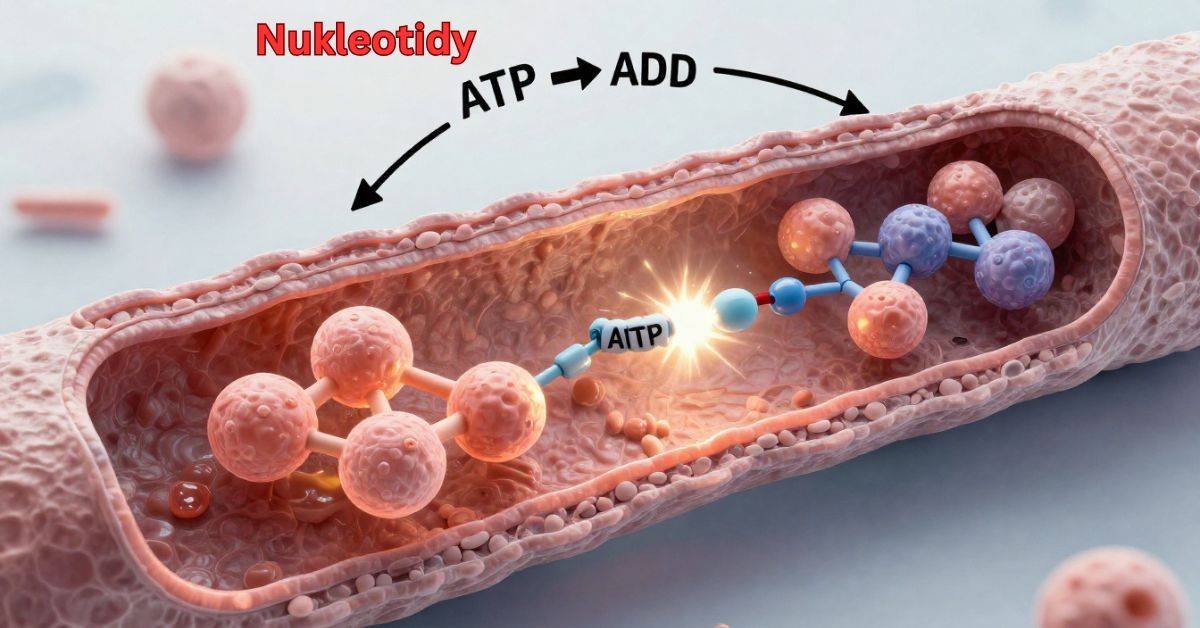
One special molecule made from nukleotidy is ATP (adenosine triphosphate). ATP is often called the “currency of energy” in cells.
Every time you:
- Run
- Think
- Breathe
- Blink
Your body uses ATP. The phosphate bonds in ATP hold energy. When a bond breaks, energy is released for the cell to use. This process happens millions of times every second in your body. Without nukleotidy, ATP could not exist. And without ATP, your body would not have the energy to function. This is why these molecules are not just important for genetics but also for daily energy and metabolism.
How Nukleotidy Supports the Immune System
Your immune system keeps viruses and germs from getting into your body. To fight infection, your body must quickly produce new immune cells. Rapid cell growth requires DNA copying. That means your body needs enough nukleotidy to support this process.
When you get sick:
- White blood cells multiply.
- Antibodies are produced.
- Damaged tissue is repaired.
All of this depends on genetic material being copied correctly. Research in 2026 from Harvard Medical School highlights that immune strength is closely connected to proper cellular replication and repair systems. While your body can usually produce enough on its own, during times of stress or illness, demand may increase.
Nukleotidy in Infant Growth and Development
Babies grow very quickly. Their bodies must create millions of new cells every day. Human breast milk naturally contains nucleic acid components that support the following:
- Gut development
- Immune system growth
- Healthy cell division
Because of this, many infant formulas in 2026 include added forms of these compounds to better match breast milk. Infants need strong DNA and RNA production to support brain development and organ growth. That is why these molecules are especially important early in life. The World Health Organization (WHO.int) continues to recognize the importance of early nutritional support for healthy cellular development.
Food Sources of Nukleotidy
Your body can make its own supply, but certain foods naturally contain them. Here are some common sources:
Foods That Contain Nucleic Acid Components
| Food | Level |
| Organ meats (like liver) | High |
| Fish (sardines, anchovies) | Moderate to high |
| Beans and lentils | Moderate |
| Mushrooms | Moderate |
| Breast milk | Naturally rich |
Most people do not need to focus on eating specific foods just for nukleotidy. A balanced diet with enough protein usually supports healthy production inside the body.
Do You Need Supplements?
For most healthy children and adults, the answer is no. Your body is very good at recycling and producing what it needs. However, supplements are sometimes studied for:
- Athletes under heavy training
- People recovering from surgery
- Individuals with certain medical conditions
In 2026, evidence shows that routine supplementation is not necessary for the general population. Before taking any supplement, always talk to a doctor or registered dietitian. For more information about safe supplement use, see our guide on healthy nutrition basics and immune system support strategies (internal resources).
What Happens If There Is a Problem?
True deficiency is rare. However, problems can happen if the body cannot properly produce or repair DNA. Possible effects may include:
- Slower healing
- Weaker immune response
- Fatigue related to poor cellular energy
Certain genetic disorders affect how cells process nucleic acids, but these conditions are uncommon and require medical care. For most people, maintaining overall health through proper sleep, exercise, and nutrition keeps cellular systems working properly.
New Research and 2026 Health Trends
Scientists continue to study how nukleotidy affects long-term health. Current research areas include:
- Healthy aging and DNA repair
- Mitochondrial function and energy production
- Personalized medicine based on genetic profiles
New treatments are being developed that target how cells repair and copy genetic material. This could improve therapies for cancer, immune disorders, and age-related diseases. As science advances in 2026, researchers are learning that small molecular processes can have big effects on overall wellness.
FAQs
What are nukleotidy in simple words?
They are small molecules that build DNA and help your body make energy.
Are nukleotidy the same as DNA?
No. They are the building blocks that form DNA and RNA.
Do foods contain nukleotidy?
Yes. Fish, beans, mushrooms, and organ meats contain natural amounts.
Do I need supplements?
Most healthy people do not need them.
Why are they important for kids?
They help support growth, brain development, and immune health.
Conclusion
Even though they are tiny, nukleotidy play a huge role in your health. They build DNA and RNA, help create proteins, store and transfer energy through ATP, and support immune function. From infancy to adulthood, your body depends on these molecules every day.
The good news is that most people naturally produce enough to stay healthy. Eating balanced meals, staying active, and getting enough sleep are the best ways to support your cells. If you want to protect your health at the most basic level, start by taking care of your body’s cells.