

 By
By Homeowners often overlook the significance of a well-functioning sewer system until they face a major disruption. A compromised residential sewer line can lead to costly and inconvenient repairs, with the Environmental Protection Agency estimating over 23,000 to 75,000 sanitary sewer overflows occur in the U.S. each year. Recognizing the common causes and signs of sewer line damage is essential for timely interventions and minimizing damage.
By understanding the intricacies of sewer line repair and maintenance, homeowners can prevent or quickly resolve issues before they escalate. Below, we delve into the pivotal aspects of residential sewer line repair, helping you maintain a robust sewage system for your home.
Common Causes of Residential Sewer Line Damage

Residential sewer lines can be compromised due to various factors like aging pipes, which might erode over decades of use. Tree root intrusion is another notorious culprit, where roots seeking moisture penetrate pipes, leading to blockages or breaks. Earth movement, such as settling or earthquakes, can also strain and crack sewer lines.
Clogs caused by inappropriate items flushed down the toilet or poured into drains contribute significantly to sewer line issues. Cooking grease, wipes, and other non-biodegradable objects can accumulate inside pipes, obstructing flow. When these blockages build up over time, they can cause back-ups or even ruptures.
Regular inspections by professionals can help detect early signs of damage caused by these factors. For urgent issues that require immediate attention, considering an emergency plumber Oakland residents recommend can be vital in preventing further damage.
Signs Your Sewer Line May Need Repair
Indications of prospective sewer line repairs often manifest in ways homeowners can notice, such as unusual sounds from toilets or drains. Slow draining sinks and backups in multiple fixtures are clear cues, reflecting possible obstructions or damage within the sewer line.
Foul odors emanating from drains are another telltale sign. If you detect the scent of sewage within your home, it’s an indication that waste isn’t being effectively transported to the municipal lines. Unusual lawn indentations or consistently damp patches on your property could point towards a compromised sewer line below.
Should you notice any of these warning signs, it’s advisable to contact plumbing professionals to conduct a thorough assessment. The detection of any sewer line abnormalities early on can avert escalating repair costs and extensive property damage.
Traditional vs Trenchless Sewer Line Repair Methods
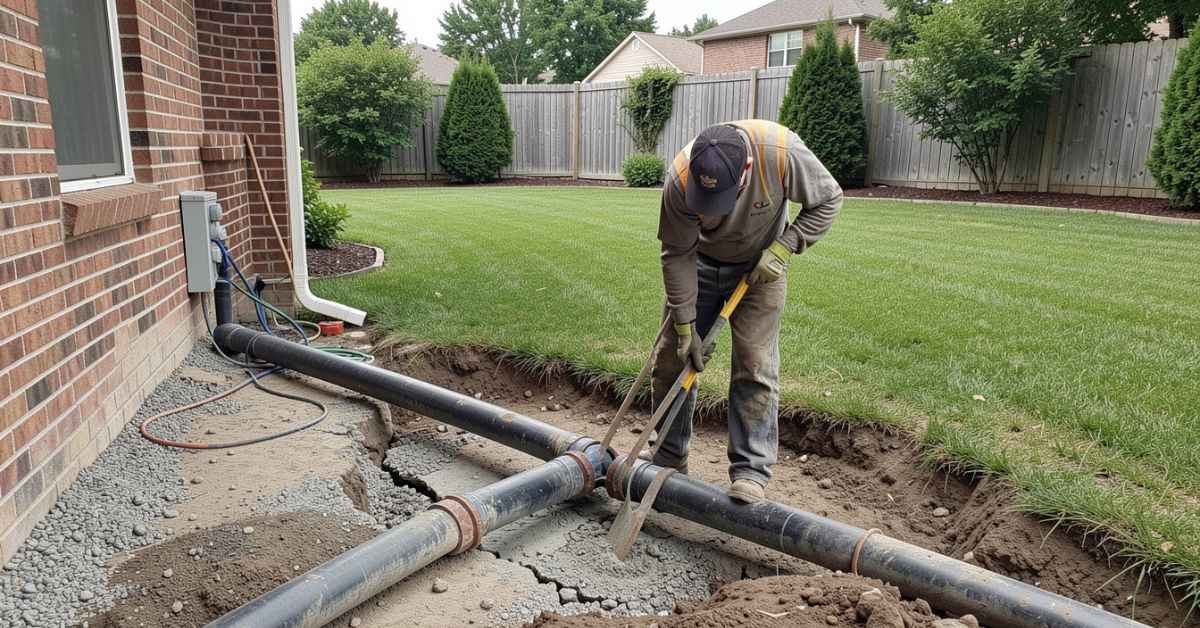
When sewer line repair becomes necessary, homeowners have the choice between traditional and trenchless methods. Traditional repair involves digging trenches to reach the sewer line, which can be time-consuming and may wreak havoc on landscaping. Trenchless methods, on the other hand, require minimal excavation, reducing yard disturbance and often providing a quicker resolution.
Trenchless repairs are generally achieved through methods such as pipe lining, where a resin-coated tube is inserted and inflated within the damaged pipe, or pipe bursting, which replaces the old line by pulling a new one through it. Though trenchless techniques can be costlier upfront, they often save money in the long term by avoiding extensive property restoration.
Evaluating the condition and location of the sewer line, as well as surrounding infrastructure, is essential when deciding on the appropriate repair method. It’s beneficial to seek multiple quotes and opinions from licensed plumbers who can offer tailored solutions.
Preventative Measures for Sewer Line Maintenance

Maintenance strategies are key to prolonging the life of your sewer line. Regularly scheduled drain cleaning can prevent buildup that leads to obstructions and potential damage. Far from an unnecessary expenditure, this proactive measure can mitigate the risk of emergency repairs.
Adopting good household habits is also part of effective sewer line maintenance. This includes discarding grease properly rather than pouring it down the drain and avoiding the flushing of items such as wipes, feminine hygiene products, and cotton swabs, which can contribute to clogs.
Installing a backwater prevention valve can also shield your home against sewage backups, particularly in areas prone to heavy rainfall or flooding. These valves allow waste to leave the home but close if backflow occurs, protecting your interior from potential sewage contamination.
Ultimately, understanding the common causes of sewer damage, recognizing warning signs, and comparing repair methods equips homeowners with the knowledge to address and prevent severe sewer line issues effectively. Engaging in preventative measures and maintenance keeps sewer systems running smoothly and can save substantial expenses and headaches in the long-run.